Erin O’Connor explores the rising controversy in discussions surrounding birth control.
In recent months, I have noticed an increase in anti-birth control (specifically hormonal birth control) content on my social media. Videos from so-called ‘health influencers’, few of whom actually have any qualifications, warning people about the side effects of hormonal birth control. While hormonal contraceptives do have many side effects, these are no more than any other medication, and your risk of a blood clot is actually higher during pregnancy. However, these videos often fearmonger about the risks of birth control and, at times, can feel like they are shaming those who choose to use it.
These videos can feel very privileged in their view that no one really ‘needs’ birth control; while the name is misleading, 34% of people take the pill for non-contraceptive reasons, including reducing symptoms of endometriosis, PCOS, PMDD and hormonal acne. For these people, hormonal birth control is a necessary treatment and can make life bearable again. While I do agree that hormonal birth control is sometimes prescribed as a ‘cure-all’ and in place of further investigation, it does have the potential to improve people’s quality of life; pre-birth control, my periods were so painful that they could leave me bedridden, unable to sit up straight because of the amount of pain I was in.
The matter of birth control comes under the wider, systemic issue of the gender health gap; a recent study found 80% of women feel they haven’t been listened to by a medical professional. Informed consent before making any medical decision is extremely important, but with a reported 55% of adults getting health information from social media, this becomes increasingly difficult. Hormonal birth control certainly isn’t right for everyone, but for those who do choose to use it, there are a variety of methods, including pills, patches, implants and IUDs, and individual considerations, such as the patient’s medical history, are taken into account when making these decisions.
So why the increase in anti-birth control content? One of the major drivers may be a move towards far-right, anti-feminist ideologies. A large proportion of anti-birth control content comes from Christian influencers who encourage a ‘low-toxin’ lifestyle, which goes hand-in-hand with ‘natural living,’ rejecting modern scientific developments. While women’s access to birth control was once a recognition of their liberation, it is slowly being twisted by the far-right to fear-monger and push their harmful narrative that modern medicine is ‘unnatural.’ Some videos claim birth control ‘alters how men find you attractive’ and ‘disconnects them [women] from their natural God-given cycle.’ One particularly jarring video claims that birth control has caused an alleged decline in the world’s white population. With an increase in far-right politics, including Reform MP Matt Goodwin’s proposed tax on childless people, there is the ever-present risk that shaming women online for making decisions about their own bodies could lead to the further dissolution of reproductive rights.
Since its development in the 1950s, hormonal birth control (specifically the Pill) has provided women with sexual liberation, body autonomy and economic freedom, allowing them to control pregnancies, and increasingly, alleviating symptoms of debilitating conditions. The 1970 Nelson Pill Hearings sparked debates about the safety of the Pill and whose responsibility pregnancy prevention is; while I think the development of male contraception is integral for medical equality, the Pill’s benefits beyond pregnancy prevention must also be acknowledged. Social media content that encourages ‘natural family planning’ over the use of hormonal birth control often disregards the myriad of multifaceted reasons that people choose to use birth control. It should also be noted that no women were asked to testify at these hearings, and again, all medications and procedures have associated side effects.
It is also important to consider the global disparity in access to birth control; for example, the proportion of unmet needs for family planning in Africa is 25%, compared to 10% in Europe and 8% in the Americas. This lack of material access to birth control due to socio-economic, geographical and cultural factors results in 25 million unsafe abortions and 39,000 maternal deaths each year. While some women in non-Western countries are dying due to access restrictions, our privileged position in the West means we take birth control for granted. Improved access to birth control provides freedom and safety, yet in Western countries, birth control is being vilified.
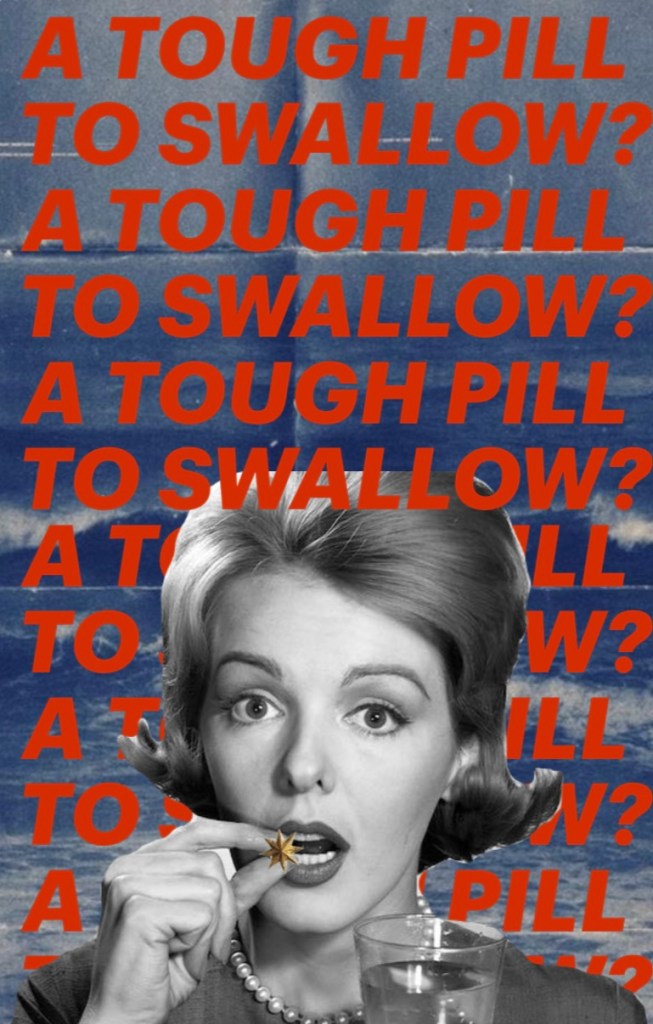
While some influencers have ideological motivations for their anti-birth control content, others use it as a business venture. The rise of wellness culture on social media has brought with it a multitude of supplements and products that can allegedly cure all post-birth control ills. A $25 workbook offered by @holyandhormonal offers a ‘Christ-centered approach to understanding your cycle,’ combining elements of wellness culture and Evangelism, always with a profit. The most common products claim to help with nutrient depletion caused by birth control. Spoiler alert: They’re just vitamins and minerals. While birth control does have the potential to reduce absorption of some vitamins (as do certain vegetables), by using such alarmist language, influencers can push overpriced, sponsored, and often unnecessary supplements. This perfect, unattainable vision of ‘wellness’ is yet another example of companies (and individuals) profiting off women’s manufactured insecurities.
Not everyone needs to be on birth control, and it’s important to listen to and validate those who have had negative experiences with it so we can learn and improve its use. However, I am concerned by the erosion of birth control as a symbol of women’s liberation and how it is now being used to police our bodies through fearmongering on social media. There is a difference between raising awareness and shaming, whatever the intention. Hormonal birth control certainly isn’t perfect, and much work is required to close the gender research gap; however, it is life-saving for many women. So how do we fight the misinformation war on social media? The best advice I can give is don’t believe everything you see on the internet, question the motives behind certain content, and consult a real medical professional if you have any concerns. Most importantly, do what’s best for your body.

