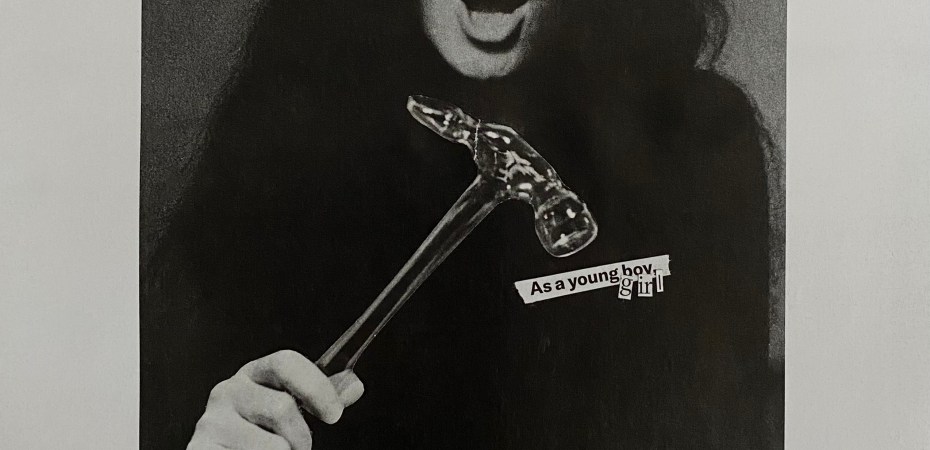
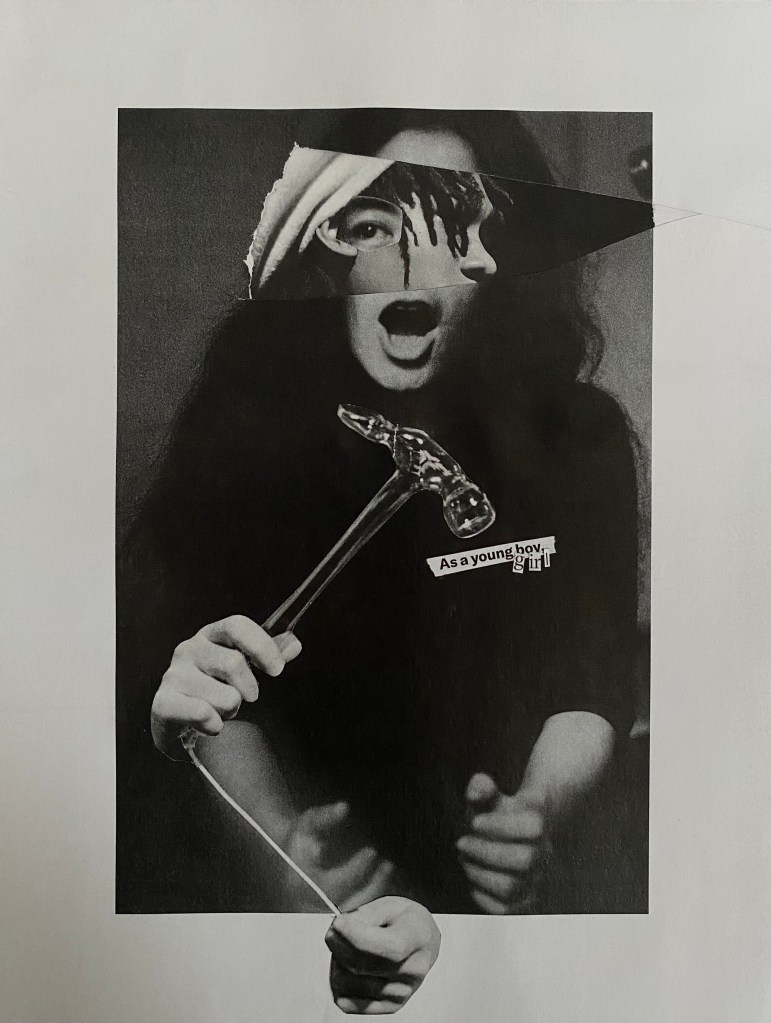
Ellie Gookey examines the lack of representation of masculine women in the media, looking at the effects this has on young women and their ability to express themselves; suggesting positive role models for women who feel unrepresented.
I will closely explore how the stereotypes around female masculinity have affected women. Masculinity within womanhood in any industry is a tough topic; I will be looking at the film industry, especially the Barbie movie, and taking a glance at the music industry too.
When Barbie was released, rave reviews surfaced about how well it represented women with its status as a feminist film. Although Barbie itself didn’t claim to represent all types of women, when we properly look into the movie, how many masculine-presenting women are portrayed? I saw one, Crazy Barbie, and even Crazy Barbie arguably isn’t masculine but the only woman who had short hair, although she did not dress in a overtly masculine sense. Even her name reinforced the stereotype that women who show off their masculinity aren’t seen as ‘natural’ within today’s society. If you are going to represent women, shouldn’t you include a range of them, not just the ‘popular’ ones? I personally found it odd being the only person that was not obsessed with this film, and I felt guilty feeling angry towards it, but I have a right to be don’t I? That feeling ultimately came down to the film reinforcing common stereotypes of gender – something overlooked in many reviews of the release.
When you look at women who are masculine-presenting in the media they are repeatedly presented one way: short hair, strong, outspoken, a tomboy, etc. When I was growing up and accepting who I was, I wore boys’ clothes, not because I wanted to be a boy but because there were no clothes aimed at me that weren’t inherently feminine. It led to a turmoil of bullying and assumptions on who I was, which was harmful to my growth then, and now. These masculine stereotypes are very similar to those men are also expected to abide by. Masculine women aren’t men, and we need to separate ourselves from the stereotypes to appreciate the complexity of gender without creating a divide.
By generalising women in media, you risk promoting a harmful stereotype of women to future generations. How many kids who dress how I did have a role model to look up to? Someone who properly represents them, and how they may be feeling? As a child I felt forced to wear makeup and put a dress on, even though I knew beyond a doubt it wasn’t who I was, I didn’t enjoy it. I felt this pressure purely because it’s all I ever saw within the media. I felt as though I had no choice but to conform, as though to be pretty I needed nice boobs, good makeup, and dresses. I felt this from a young age, before I even had Instagram or any social media. So now with the internet, it is more important than ever to show masculine women on the same stage as feminine women.
Actors like Ruby Rose are positive examples to look towards. She has often spoken on gender and her presentation, but I am mostly going to focus on Ruby’s feelings towards her masculinity and how it has affected her. Taken from an article with The Guardian, Ruby said, “I thought there was something a bit wrong with me, or that I wasn’t the gender I was meant to be, […] It took years, but eventually, I came to a place where I went: ‘OK, I think I’m just very androgynous and very in tune with the masculine energy.’” It’s evident I was not the only person who has felt this way, and I don’t doubt there are many other people with these feelings as well. Without honest representations, Ruby, myself, and many others wouldn’t have felt as though we had something wrong with us due to the way we presented. As an adult now, it is heartbreaking to see that so many people go through these struggles just because they don’t fit within the box that society has created of what a woman is. Ruby has helped make waves within the film industry featuring as Bat Woman, a lead role challenging gender roles, so we can see there is some progress happening even if it is at a slow rate.
It would be wrong to solely focus on the Barbie movie when the issue itself is located within the overall media. P!nk is another great example of positive masculine representation and during the well-known speech she gave at the VMAs (2017), she said, “They say that I look like a boy, or I am too masculine, too many opinions, my body is too strong”. It is an inspirational yet sad speech, and P!nk mentions the issues of women with short hair being compared to men and of women who are in touch with their masculinity being seen as less of a woman. Moreover, P!nk’s experience is a great example of how society wants to force us into these strict gendered boxes, and if we try to push beyond them, we are met with great resistance.
Something has to change, the representations of masculine womanhood needs just as much acknowledgement as feminine womanhood does. We can’t fail the next generation the way many previous generations have been. We are beginning to touch upon these problems, but we can’t deny there are still big gaps. Positive representations of masculinity could start simply with masculine women being presented with similar opportunities as feminine women, for example being offered similar roles within film and media. These changes would help break down the separation between femininity and masculinity within womanhood.
 That's What She Said Magazine