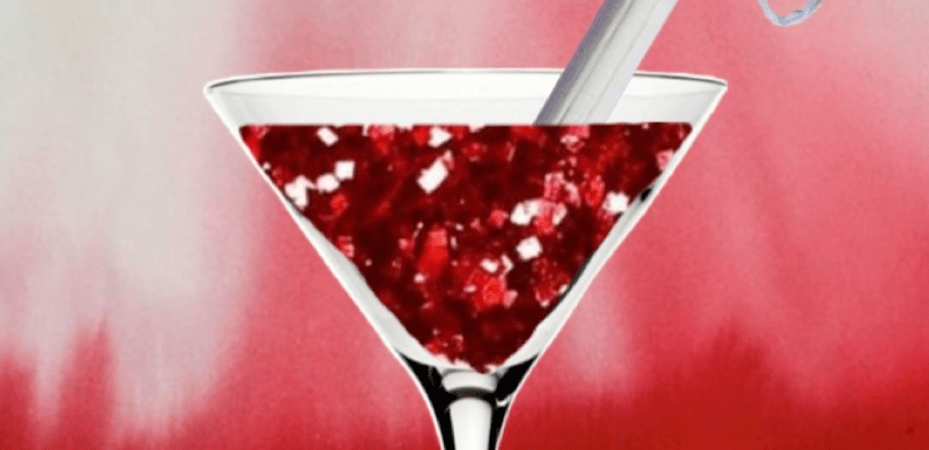
Izzy Herriott Stone explores how corporate patriarchy has hijacked the fight for menstrual equity, commodifying women’s bodies and undermining their bodily autonomy.
“The only time society typically approves of periods being discussed is when joking about how moody and bitchy women can allegedly get when they are hormonal. The one aspect of the entire process men care about is the one that impacts them.” – Rebecca Shaw, The Guardian, 2024
The World Bank estimates that globally, 500 million young girls and women are victims of period poverty – a silent epidemic characterised by those without access to menstrual products, education, and safe facilities. This triple threat of marginalization is exacerbated by stigmatised denotations of periods as a disgusting occurrence, as if they are not the foundation of human life.
Period poverty severely impacts women’s lives, from lower rates of educational attainment to reduced workforce attendance. In 2021, it was estimated that 137,700 girls in the UK missed school as a result of this. It strips women of their dignity, forcing them to endure a world that treats their humanity as an inconvenience. If the livelihood of women is currently at stake, why isn’t this issue receiving the political attention it so clearly deserves? It’s hard to believe that period poverty would even exist if men had periods.
In recent years, rhetoric around period poverty has been gaining traction. Yet, within this, there lies a battle for bodily autonomy. Corporations are beginning to offer solutions to period poverty – but why? Those lacking access to basic menstrual products may isolate themselves at home, primarily, to avoid humiliation at work or school. Economically, this posits an issue. If workplace attendance goes down, economic productivity inevitably suffers as well. Thus, businesses are pursuing solutions. Even so, there underlies a tension between genuine solutions for menstrual equity and corporate profit solutions. Are corporations authentically advocating for women’s rights, or simply seeking self-serving economic gain?
Menstrual equity is a necessity, not a commodity. Inherently, its economic impacts should not be downplayed. Yet the issue must first be deconstructed as a matter of humanity. We must begin to treat access to period products as a fundamental human right for women’s bodily autonomy and dignity. Utilising the issue as a vehicle for personal financial gain is no longer a viable option. Period poverty’s convenient entanglement to workplace productivity constitutes a human rights issue. Addressing period poverty to maximise corporate profits not only enables the dehumanisation of women, but inevitably reduces their bodies to economic assets. The troubling reality is then laid out – women’s bodies are only taken seriously if they are profitable commodities for men.
The patriarchy profiting off our bodies is not a shocking revelation. In a society where men disproportionately obtain leadership roles, they are more likely to dictate policy that determines female autonomy. Men have historically controlled women’s reproductive rights and agency. This sudden prioritisation of period poverty is no coincidence. Realisations that the economy could be bettered through the consideration of women epitomises the double standards that define society. In everyday life, periods are a dismissed conversation. But when it affects workplace productivity, it promptly requires systemic attention.
Male dismissal can be best exemplified by no other than Donald Trump. After commenting on Fox News host Megyn Kelly, saying she was “bleeding out of her whatever”, the respect that he dedicates to women became clear. This is reflective of a broader, collective issue. Many men do not understand the severity of period poverty. Not only this, but they cannot be bothered to understand female anatomy in the first place. Once again, typifying the misogynistic double standards that embody the issue of period poverty.

The politicization of the female body is also not a new state of affairs. Women’s autonomy has long been treated as a bargaining chip in political and economic mediations. This is as opposed to a human right in itself. More than ever, there is a compelling need to stop treating women as economic assets and begin to value their humanity. It’s a recognisable trend in other political means such as abortion, sex work, and the media. Each of these are not inherently political; the patriarchy politicizing women as objects of exploitation is what makes this so.
It is crucial to emphasise the disproportionate concentration of period poverty in low-income countries whereby colonial legacies, poor infrastructure, and economic instability make solving the crisis less profitable. Venezuelan women are currently turning to the black market to seek menstrual products. Not only does this illustrate the scarcity of affordable menstrual products in low-income countries, but additionally, the augmentation of health risks in ways rarely seen in wealthier nations. This selective prioritisation of solving period poverty reflects a broader pattern of determining which women’s lives are worthy of intervention. Women’s lives are being geo-politically assessed and ranked by who will bring the greatest benefits for the global economy.
Underpinning the crisis, there is an illusion of progress being painted. Whilst increasing access to free period products is a positive step, it is not enough. Men dictating policies that impact women alone must end. Half the population’s basic health needs cannot be treated as an afterthought. Women’s rights can no longer solely be valued when they serve men’s economic interests. Especially when this is at the cost of their dignity.
Periods are a natural occurrence, and it is vital for men to actively educate themselves on it. They must begin to comprehend the severity at which period poverty is perpetuating and stop focusing on only its economic implications. Until men stop seeing our bodies as balance sheets, we’ll keep demanding accountability – because our bodily autonomy and dignity are no longer up for negotiation.
 That's What She Said Magazine