Alice James explores the increasingly accessible yet veiled world of surgery today. BBL’s, botox, fat removal and ozempic- how are we to keep up with the trend cycles surrounding the very structure of our bodies?
Social media is obsessed with trends, feeding our popular desires and tastes with so much content that we get bored and move on quicker than ever. The trend cycle used to last 20 years, but has now become a storm of fleeting microtrends and fashion ‘cores’ that are overturned from one month to the next. However, these trends are far from limited to fashion; social media is also obsessed with women’s bodies. They too have become trends, and we are going to extreme lengths in order to follow them.
The concept of an ideal body is as old as the concept of beauty itself, and has always developed and shifted over time. However, in recent years these ideals have begun to shift incredibly quickly and are increasingly demanding. Crinolines and corsets turned into dieting culture and fitness regimes; in other words, the path towards attaining the perfect silhouette shifted from modifying the shape of clothing to modifying the shape of the body itself. With the rise of social media, we have taken one step further: turning to surgeries and serious medical interventions in the pursuit of the perfect body. The body is becoming customisable, able to be moulded to fit current trends.
Undergoing surgery for the perfect body suddenly became an accepted idea in the 2010s. Social media was obsessed with the ‘slim-thick’ body, and as depictions of this ideal rose, so did the awareness and popularity of BBL surgeries that could be used to attain it. Recently, the ideal has shifted completely: praise is now directed towards a thinner, more toned body. Rather than being another fleeting trend, surgery has played a key role in this shift. Those who are able (like the Kardashians) can simply undergo a new procedure to have their BBLs reversed, re-moulding their bodies to fit this trend. The focus has shifted onto new procedures; at the beginning of 2023, the internet was suddenly obsessed with accusing celebrities of undergoing buccal fat removal. A few months later, a new craze arose: Ozempic. Whilst Ozempic is a drug rather than a surgery, its ability to cause rapid and extreme weight loss further shows the desire for sudden and unnatural changes in appearance. Its transformative power led to a surge in its popularity in Hollywood and even caused shortages. We now live in a world where expectations around how we should look are changing quicker than ever, and a select few are able to seemingly effortlessly alter their bodies to live up to these demands.
Beyond the world of the rich and famous, there is one procedure that is growing in popularity: fillers. Being smaller procedures, they are cheaper and less daunting, carrying far fewer risks and no recovery time. This has led them to be portrayed on social media as just another beauty procedure, no different than a lash lift. However, as is the case with all social media, we only see the positive side. It is hard to tell from these posts documenting routine trips to aestheticians or before-and-afters that fillers can be addicting, even dangerous. In the UK in particular, fillers are severely under regulated; practitioners can become licensed after just one day of training, and dermal filler can be bought online and administered without sufficient knowledge of its quality or contents. New trending procedures are constantly appearing and being marketed to increasingly younger audiences – such as getting preventative Botox to treat wrinkles before they even appear. Fillers have not been around long enough to know their long term effects, but everything on social media is focused on the short term; you must follow the newest trends and deal with the consequences later.
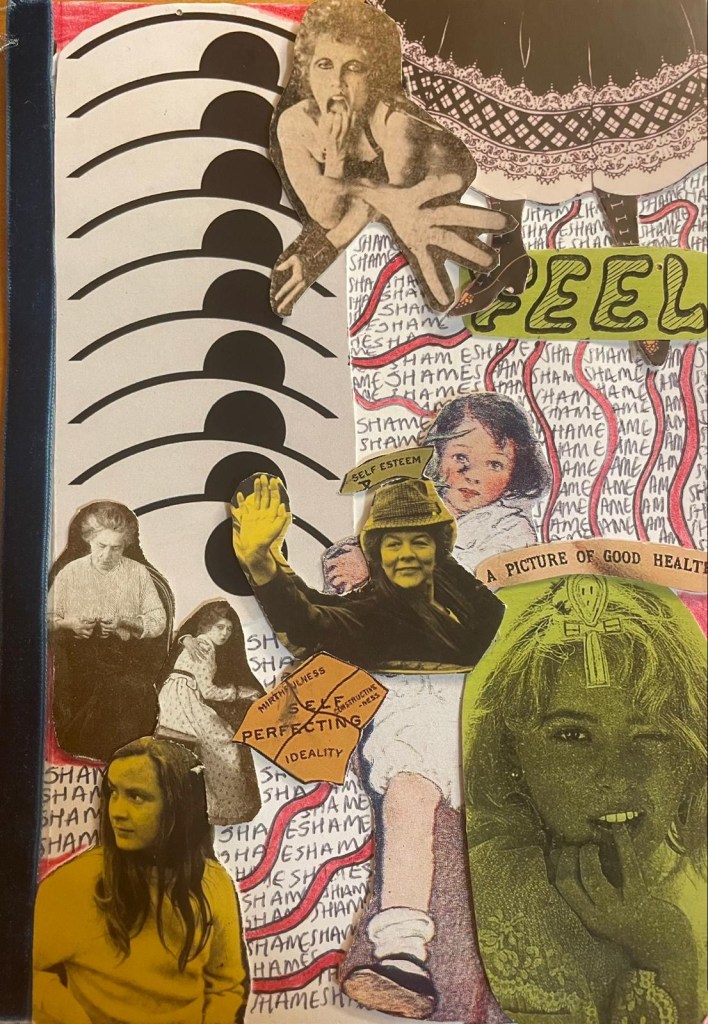
We all know that social media reflects an ideal, not reality. Surgery further blurs the boundary between reality and fantasy; no longer are people’s bodies being photoshopped, but edited in real life. Realistic and unrealistic body standards are getting harder and harder to distinguish, something made worse by the shame that surrounds surgery; it is something to be accused of. This creates a double bind where there is significant pressure to conform to beauty standards, but you cannot do so by ‘cheating’. People rarely admitting to these procedures further destroys ideas about what a natural body looks like; claiming that these bodies are down to diet or exercise suggests that they are within reach to all of us, that we all can (and should) aspire to them. Social media amplifies images of these ideal bodies and perfect faces, distorting the natural into the unnatural, making us want to ‘fix’ the bodies that we were born with.
Despite the shame, we are constantly made aware of how to ‘fix’ ourselves. Celebrities and influencers may not admit to the procedures they have undergone, but surgeons often jump into these debates, analysing what surgeries have been done in order to drive up their awareness and popularity. But even when surgical procedures are openly talked about, rarely are we shown their negative sides. There are few TikToks showing botched procedures, or documenting the indefinite returns to the aesthetician every few months to get filler topped up at hundreds of pounds per session. Even if you do not want to undergo cosmetic procedures, there is no escape from impossible beauty ideals. You are simply sold something else (makeup, an exercise regime, a food supplement) that takes advantage of the secrecy around artificial bodies and promises that it is the key to achieving them. Beauty is not something natural, but something to be bought. The ideal is always unattainable; the trend will just switch again, and the path to perfection will continue.
It is not surprising that social media damages our relationships with our bodies, but it is alarming to see them being shaped into just another trend; to what extent is it self-expression to change your own silhouette? And how do we deal with an endlessly turning trend cycle, and forever unattainable beauty standards? At the very least, there needs to be more honesty around the risks and realities of medical procedures, as well as less shame around those who have undergone them. The only world where women can truly make their own choices is one where they are free from societal expectations and pressures. Social media is not going to become less damaging on its own, so we must fight to keep a hold of reality over the ideals that it feeds us.
 That's What She Said Magazine