
Annaliese Williams explores the crossovers between the goals of the Movember movement and feminism. By addressing shared societal pressures and promoting inclusivity, this article argues the intersection is more poignant than ever in an age aggressive social media rhetoric.
Since its inception in 2003, the Movember foundation has transformed into a powerful global movement, shining a light on critical (primarily) male health issues and raising essential funds for mental health, prostate cancer and testicular cancer.
Every November, men around the world are encouraged to grow moustaches to raise awareness and support for these important causes. But while Movember’s primary focus is on men’s health, its mission and values align more closely with those of the feminist movement than you might expect.
I think the majority of us can, and have, agreed that the main cause of disparate figures relating to male suicide and poor mental health— such as the statistic showing men are three times more likely to die by suicide than women —are rooted in long-established, traditional notions of masculinity. An idea which may seem almost too simplistic, yet it rings true.
Theorists like Will H Courtenay identify that ‘the inherent restrictive stereotypes require men to be stoic, independent, tough, and powerful.’ Though these stereotypes date back centuries, they have become deeply embedded in society, ever present at its very core. When looking at the struggles that women face within society, we can see that we are essentially dealing with the same root cause that also exacerbates pressures for male conformity and emotional suppression— rigid gender norms and values.
Social media plays a significant role in imposing these expectations of resilience and emotional suppression on men today. The online world is an accessible outlet for amplifying dangerous and misogynistic rhetoric, with influencers like Andrew Tate infamously foregrounding this terrifying notion. Though Tate claims to be an advocate for men’s mental health, he also spreads hateful and misogynistic ideas and speech that inadvertently leads to emotional repression in men by underscoring harmful notions of stoicism and even aggression. With influencers encouraging young men to equate masculinity with misogynistic ideas of dominance and stoicism, platforms like TikTok, X (Twitter), and Instagram therefore become a breeding ground for newer, more harmful forms of the traditional ‘Alpha Male’ archetype.
The harm caused by these gender stereotypes impacts everyone. By perpetuating these expectations for men to suppress emotions and value dominance, structures that disadvantage women are also reinforced. Movember’s goal to reduce male suicide rates and stigmas surrounding men’s mental health therefore involve breaking down the same fixed gender norms which feminism also seeks to dismantle.
As I have briefly mentioned, reinforcing these traditional ideas of masculinity can involve promoting aggression—and the statistics reflect this. In 2023, 94.6% of domestic abuse perpetrators in the UK in 2023 were male, proving the reality that domestic violence is a gendered issue. This statistic highlights how societal expectations for men— like dominance and control— may be leading to harmful behaviours. Addressing these harmful stereotypes is therefore essential for creating a society where the physical and emotional well-being of both men and women can thrive without the dangerous effects of restrictive gender expectations.
Fourth wave feminism also focuses largely on intersectionality. Intersectionality explains how forms of oppression and discrimination (based on race, socioeconomic status, gender identity, sexuality etc.) overlap and impact people differently. Movember’s goal resonates with feminist intersectional approaches by advocating for a broader understanding of masculinity and challenges faced by different communities of men, men who do not fit traditional notions of masculinity—particularly queer men, men of colour, and men from lower socioeconomic backgrounds. This marginalisation can lead to a decreased sense of self-worth, affecting mental wellbeing. In the same way that feminism advocates for a more inclusive approach, the discourse around supporting men’s mental health also means striving for the same holistic approach to reach men of all backgrounds, dismantling systems which may cause some men to feel inadequate or marginalised.
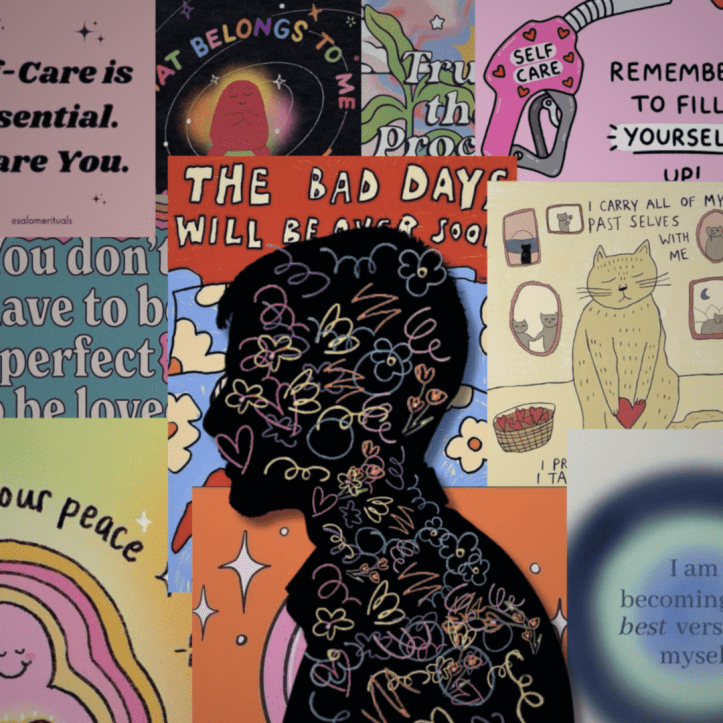
Feminists also advocate for a more encompassing approach to healthcare, arguing that ‘structurally embedded power hierarchies… directly impact the global health agenda’ . In this sense, movements like Movember align with feminist goals by challenging structural issues in healthcare. By encouraging men to discuss their mental struggles and seek support, the movement challenges power imbalances within healthcare systems, directly connecting with feminism’s focus on dismantling these same power dynamics.
So, although Movember essentially focuses on men’s health, we can see how discourse and movements surrounding men’s mental health and feminism are in fact complementary. In a time where centuries of harmful gender stereotypes have seemingly, irreversibly tarnished society, it is more important than ever to intersect these two movements. By doing so, individuals of all genders can pursue health, well-being, and self-expression free from the shackles of outdated stereotypes.
 That's What She Said Magazine