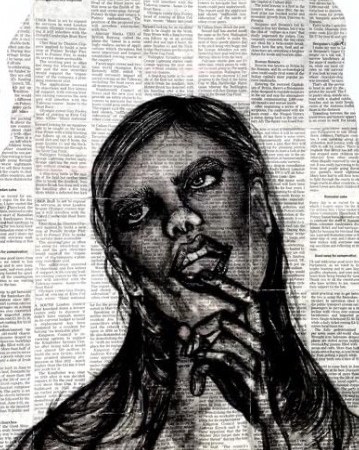
Elspeth Charman discusses the gendered power imbalance of voice and confidence in the space of a social sciences seminar.
The humanity subjects provide a gateway towards deeper self-expression, and a forum for diverse debate. Subjects such as Politics and Sociology are often heavily female-dominated as a result – women such as myself generally embark on these degrees in order to empower and embolden themselves with knowledge. On the contrary, in this article, I want to explore the unexpected glass ceiling that I have uncovered during my political studies at Bristol.
Initially, the large proportion of women on my course had been reassuring. I was suffering slight imposter syndrome in my first weeks of university and had expected the demographic of the course to reflect that of our current world leaders, so this was a pleasant surprise.
Sitting through lectures, however, led me to discover that an utterly bewildering effort is made to tailor the course to the male minority. Constant references to men’s football as analogies for political terms were received with cheers and chanting from the intended audience. Boys grow up dominating the classroom, and this is reflected in seminars, too – the format of freely speaking without raising hands proves difficult for many girls. I frequently observe the interruption of female tutors by male students, as well as the ability of boys to override girls’ contributions with their louder and more confident ones.
I find that girls often struggle with this seminar format as they tend to take more time to think before they speak, whereas boys tend to have more ability to speak up without fear of judgement. Although this isn’t universal, it is certainly a pattern which other girls have acknowledged in conversation with me. This has offered me an insight into the glass-ceiling that women in politics and academia face – in the form of subconscious alienation and the male domination of the political space.
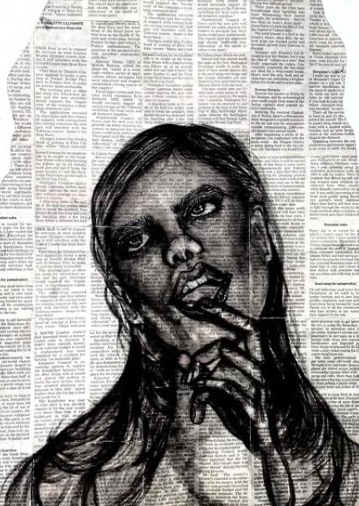
Now, I am beginning to understand why the overwhelmingly female demographic of academic humanities does not translate into a female-led global stage. Women are made to feel lesser and incapable of becoming leaders when shouted down or overpowered by men around them. At school, I felt confident in answering questions posed by teachers, but where more thought-provoking questions are asked at university, I find myself struggling to come up with a quick answer.
As a white woman and the offspring of teachers, I completely recognise my head start in having scored a place at a Russell Group university. I have always had a leg up with my homework, help to push myself to my limits, and encouragement to know my self-worth. The obstacles I found myself having to overcome at university, therefore, seemed tedious. Women at university have earned their place despite the obstacles and deserve equal respect and consideration to their male coursemates.
 That's What She Said Magazine