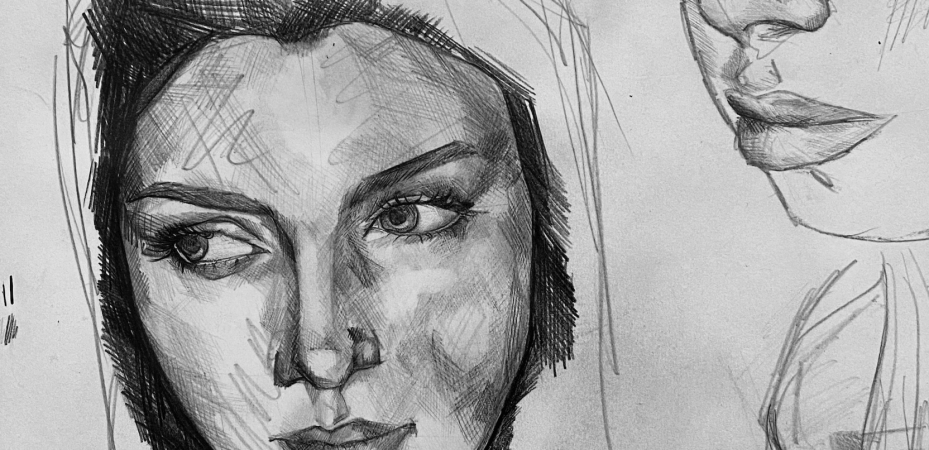
Abbie Holmes explores the unavoidable presence of the male gaze in queer nightlife spaces. With this manifestation of yet another way to socially and economically subjugate women from their community, the article calls for the ‘nurturing’ and revival of the lesbian venue.
I’ve never been never more aware of how my appearance is perceived by men than on PrideFest weekend in Manchester. I remember thinking ‘this is a homophobe’s dream’ because every gay in the entirety of the Northwest will flock to Canal Street in some sort of pilgrimage to get caged off in 500,000 sq. ft of rainbows and poorly policed drug use, blaring signs practically flashing; ‘NO STRAIGHTS ALLOWED.’ It is on the way to this chaos, half eight tram to Etihad Campus that I hear from behind me; ‘I fucking hate pride. It’s just an excuse for straight girls to get coked up with their twink boyfriends.’
‘Real. We need to protest, not party.’
My first response is, naturally, to think ‘get a fucking grip.’ I mean, queer people are allowed to have fun, we don’t just have to sit there tortured, wallowing in our oppression. My second thought is to look down at myself; blue jeans, white lace tank top, skinny gay guy to my left, and realise. He’s talking about me.
The next day I make more of an effort, Bermuda shorts, tits out in a way that would be tacky and garish on any other occasion and my hard work is rewarded. Where before there was the odd glare, a ‘move, let me sit, its pride’ there are now unbridled offerings of ‘Happy Pride!’ I count twelve. And they’re all from men.
This makes sense, among the unrestrained chaos that is the main stage queue to see the Sugababes, you realise you can count twenty-five people in front of you before you see another girl. It is ironic that in the one place that was meant to be made for you, you feel small, and have found yourself catering to the men around you in an entirely different way than you’re used to. The male gaze has reared its ugly head and evolved. If you can’t be sexualised, you must perform: ‘Look gay enough for me.’ This attitude seems to be woven into the very fabric of our communities, it’s in the overheard ‘God, these bitches are so annoying’ directed at a group of women in G-A-Y, the ‘sorry babe, it’s a bit of a cock-fest’ said by your friend in the line to the club, the piles of only male sexual protection offered freely at every bar. A guy you’re with asks ‘where are all the girls?’ another responds with the name of our only lesbian club, ‘Vanilla’ and you start to wonder. 28 gay clubs, 10 bars. Where the fuck are all the lesbians?
To some extent, that guy was right. Venture into Vanilla and you will find a fair few lesbians. Though frequented by the entire LGBTQ+ community, Vanilla is one of the remaining three permanent venues in the UK catering to queer women. The story is as depressing outside of the UK. With only thirty-two venues in the US and a grand zero in Australia, it does not require a grand amount of observation to conclude that spaces for queer women are few and far between. The decline of LGBTQ+ venues is one well documented, an ever-growing disaster that has had a disproportionate effect on women. For most queer women, there is simply no space left for them in their own community.
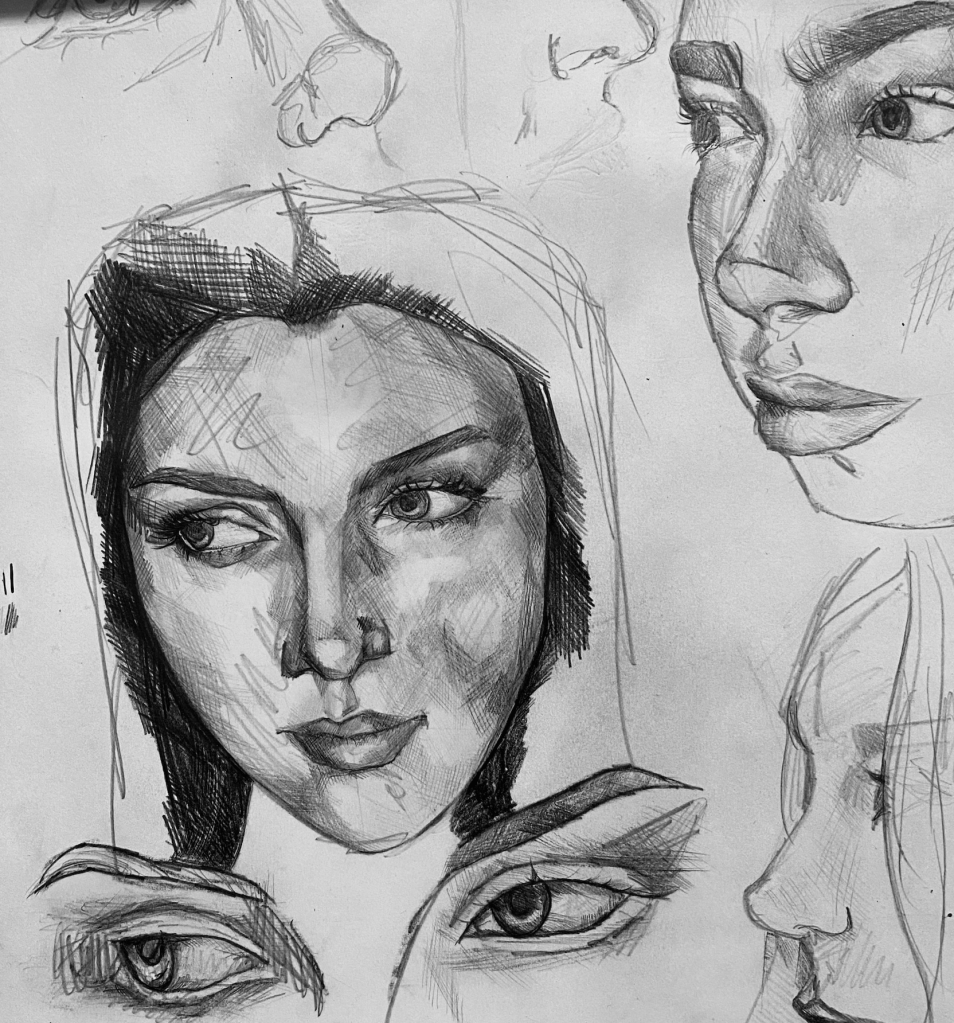
Nightlife venues are uniquely problematic for women. As violence against women remains steady, it is no surprise that we are so wary about being vulnerable at night. Pair that with over-sexualisation, homophobia, and transphobia that queer women are forced to navigate, and a perfect storm is created. Without safe spaces to attend, women simply won’t. In a tale as old as time, spaces continue to cater to men and ignore women, whether they be queer or not.
The issue is not just social, but also economical. Queer women are getting priced out of their communities. With women earning 86p to the pound, two women in a relationship are less likely to amass wealth than two men, pricing both the owners and clientele out of the cities in which lesbian spaces would thrive. It is then not entirely a mystery that with a lack of queer women to interact with, one might cater their appearance to be ‘gay enough’ for other queer men instead. Without our own communities standing steady, we are forced to carve a place out for ourselves on the edge of others.
Despite every obstacle seemingly trying to eradicate queer spaces for women, we are thriving, just quietly. In larger cities, it is not difficult to find groups of queer women, you just need to look beyond the surface of alcohol- based venues. Most feminist clubs and discussion groups, whether this be book clubs or online streaming platforms (such as Lesflicks) are filled with queer women. But though some suggest that this is our fate, being more attuned to quiet nights in with a girlfriend and a cat than the club, I am not so pessimistic. Many queer establishments that have typically catered to men have begun to introduce women’s and enby nights, alongside the thriving parties of the likes of LICK and Butch Please. Lesbian spaces thrived in the 80s-90s, (with over two-hundred lesbian venues in the US as opposed to today’s thirty-two) and I see no reason why, with a little nurturing, they can’t again.
Sources:
https://www.thepinknews.com/2023/10/27/where-have-all-the-lesbian-bars-gone/
https://www.thepinknews.com/2023/04/26/lesbian-clubs-spaces-uk/
 That's What She Said Magazine