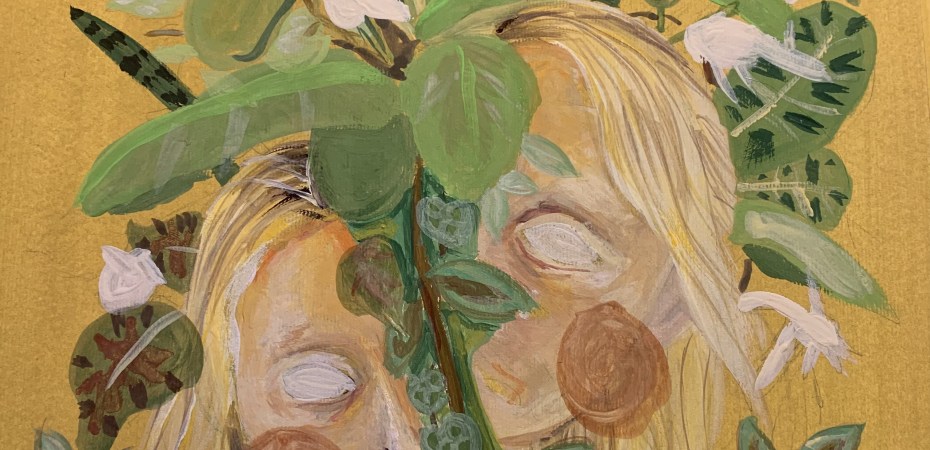
Laura Butler questions the role of the patriarchy within heterosexual relationships, unpacking power dynamics and outside influences.
Every dating decision I have ever made has left me wondering: Am I a bad feminist? Surely it can’t just be me that overanalyses and ruminates on how my intimate, and otherwise, interactions with men have affected my status as a feminist. It may just be my sociology degree talking here, but I find myself looking for feminist literature that affirms every decision I make when dating men.
One key feminist issue arising from heterosexual relationships is power. How can your relationship have equal power relations when wider society discourages it at every step? Power within relationships is important, and something that is different for everyone and can even change day to day. Someone should not have power over you to dictate life choices, style choices or preferences.
I think most people have a grasp on the controlling nature of outright asking someone to change. However, gentle suggestions from someone you love can feel like an awkward thing to ignore. “Babe you know, I’d love to see you with blonde hair”, “you look so hot in a short skirt.” Is your individual agency tampered with when you enmesh yourself so deeply with someone? And what does this mean as a woman dating a man?
Vulnerability and openness are the way to love, but does it leave you open to manipulation? I don’t think you should lose your agency as a woman in a relationship, and I don’t think I have in my current. But, it’s still something that many young women like me have experienced. I’ve often felt in relationships a lack of freedom to make decisions about your lifestyle. Get a stupid eyebrow slit without a man telling you it looks stupid.

A constant tangle within relationships I’ve seen is the balance between caring for someone you love and outright mothering them. Too many times have I witnessed women ‘gentle parent’ their boyfriend into understanding what behaviours are expected of them. How to wash the plates without forgetting the other side got dirty too and explain how “it’s not very nice when you ignore my messages all day.” Disparities in the performance of emotional labour can be stark in relationships as women stretch to teach an emotionally stunted man how to communicate – something which we have learnt by about the age of 10. I might be being a little facetious now, but my point still stands; when you date men, they often display tiny microaggressions of misogyny that can be quite jarring. There is a fine line between helping someone be in-tune with their feelings and becoming their therapist.
Another contention for dating men as a feminist is balancing sexuality and objectification. Navigating wanting genuine enjoyment and sensuality with popular degrading sexual tropes and culturally learnt behaviour. How do you not internally shame yourself for having desires, while also not wanting to be lessened to a sum of your physical attributes? Sexuality is a core part of being a human and is not something to be vilified.
I think the key to this is reciprocity, someone who cares for you as much as you care for them. Who listens to your likes and dislikes, remembers them, and wants to hear about all your niche interests.
 That's What She Said Magazine