Ella Wilson-Coates questions the extent to which new blockbuster movie ‘Barbie’ can change the previously damaging messages of Barbie products, explaining how we shouldn’t be quick to forget the negative influences Barbie has had on young women and on feminism.
Since the release of ‘Barbie’ under Greta Gerwig’s direction, the film has been celebrated for its feminist spin on the somewhat controversial Barbie doll. Amongst the glitter, the musical Ken number and the constant pop culture references, we seem to have forgiven Barbie for the pains she may have caused the feminist movement. However, while Barbie is garnering this feminist status, Mattel won’t have anything to do with the word ‘feminism’. Mattel knows a woke ‘feminist’ Barbie isn’t going to fly with every buyer, hence going with more neutral, apolitically charged messages of ‘Girl Power’ and ‘You can be anything’ (so long as you buy the corresponding Barbie). In 2014, when Mattel saw a dip in numbers, they decided it was time for more ‘inclusive’ body sizes. This rebranding from Mattel is a reaction to the demands of consumers in a changing political climate, simply producing products that will keep us buying.
While we are buying into the ‘feminist’ façade Mattel has carefully designed for us, the people actually making Barbie dolls are living the real implications of Mattel’s double standards. According to China Labor Watch, employees in Mattel’s factories in China have been reported to be working 110 hours in overtime every month compared to the legal 36, just to earn a living wage. The workforce in these factories is predominantly women, at 57%. Yet, despite making up the numbers, women are disproportionately represented in lower-paying roles. And even when conducting similar work, there is a pay disparity of 35% between the men and women. The list of rights violations goes on: working with hazardous chemicals without any safety equipment or training, sexual harassment and blank contracts, just to name a few. When it comes down to it, it seems Mattel only cares about the promotion of ‘Girl Power’ when it will profit them, but in their factories, it is anything but.
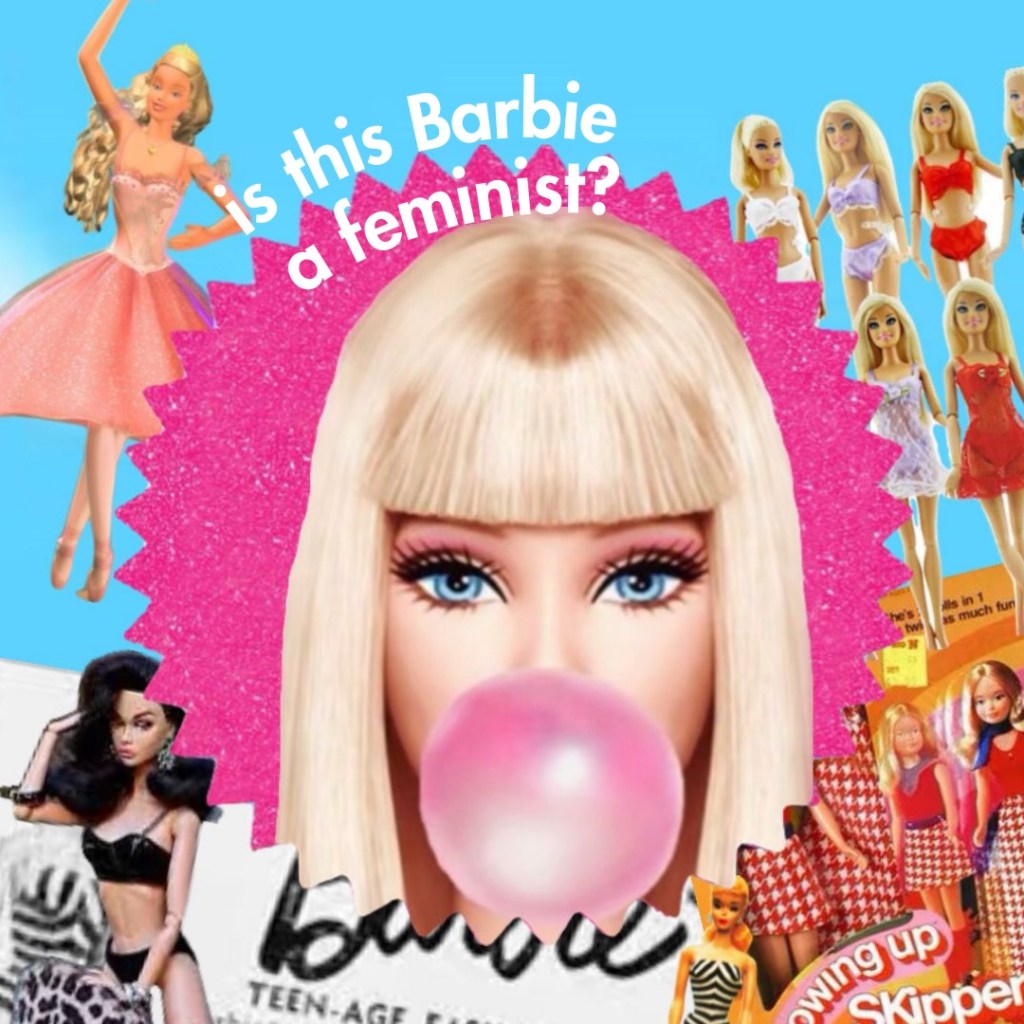
Mattel apparently has no plans to change these working conditions, and why would we expect them to when they actively steer away from using the term feminist and turn genuine critiques into mockery in ‘Barbie’? One of the ways that Barbie has been praised for its feminist spin was poking fun at Mattel’s controversies, such as the strain on women’s body issues – but was Mattel really the butt of the joke? In the main segment that addresses Mattel’s controversies, the character Sasha ‘destroy[s] Barbie’ by rattling off genuine critiques but then ends her speech by calling Barbie a fascist, comparatively reducing her other arguments against Barbie. Mattel’s strawmanning of genuine critiques show their true feelings towards those who question them. It’s easier to argue that Barbie isn’t a fascist than defend the damage Barbie has caused for young girls seeing this white, able-bodied skinny doll as the standard of beauty.
If Mattel were to really address their controversies, they would think beyond what the consumer sees on the shelves and work on improving its hidden, harmful working conditions. Providing livable working conditions is not as big a priority for Mattel as bringing out a size 12 Barbie in the name of inclusivity and ‘Girl Power’. Mattel does not need to rebrand Barbie as Gerwig and the hype around the film has done it for them, they have just supplied the products to support the hype. This white feminism, which Barbie’s rebranding falls under, is so easily pleased with having its own needs satiated that it has the privilege to ignore the exploitation behind Barbie. So when we look at this rebranded ‘feminist’ Barbie we need to ask: will we buy it? Or will we demand better.
 That's What She Said Magazine